|
<<< << -- 4 -- Eric Pettine LIMITLESS COMBINATORICS -- >> >>>

In the late 1960s and throughout most of the 1970s when synthesizers were especially ubiquitous, Wendy Carlos and Tomita made great melodies (and harmonies) by J S Bach, Stravinsky, and Holst seem fresh and new. They effectively accomplished this through utilizing the many new timbres that were afforded to them via the Moog or Mini-Moog synthesizers. Popular synth-heavy music groups of that era, such as Emerson, Lake and Palmer also produced very novel renditions of Mussorgsky's Pictures at an Exhibition and Aaron Copland's 'Hoedown'. Even in their own compositions -- especially The Endless Enigma -- Parts 1 and 2, The Barbarian and The Three Fates -- the group created enduring music. Never before in popular music had the Hammond B-3 organ's sound and treatment (which was mostly popular in jazz settings in the mid to late 1960s) been so unusually manipulated and the Moog synthesizer was taken to places where it had never been and perhaps has never gone since. The combination of those keyboard sounds with altered bass guitar and an unusual assortment of percussion, created an unprecedented palette of timbres.
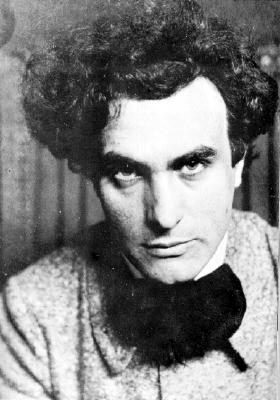
Edgard Varèse
|
Similarly, Frank Zappa explored new timbral vistas through the use of the Synclavier in the 1980s and 1990s in recordings such as Jazz From Hell (1986) and the posthumously released Civilization Phaze III (1994). In the 1960s, Zappa, spurred on by his admiration for Edgard Varèse (a composer who pioneered new timbral resources in his music for percussion as well as his early experiments with electronic sound), created his own ensembles. Though nominally defined as rock bands, these groups explored a much wider timbral array than the standard combination of electric guitars, bass, and drums. Later he composed works for full scale symphony orchestras which were characterized by a ompletely personal approach to timbre. In some works, he even combined the sound of a rock band and an orchestra.
Continue >>
Copyright © 3 June 2007
Eric Pettine, Rhode Island, USA
|
